A pandemic is a global outbreak of a disease. It refers to the geographical spread of the disease, rather than a change in the characteristics of the disease itself. According to the World Health Organisation (WHO), a pandemic is only declared when there is a global spread of a new disease which people are not yet immune to. Pandemics are usually classified as epidemics first.
Figure 1: The Spread of a disease and the different terminologies.
During Malaysia’s first wave of the Covid-19 pandemic, 22 cases were reported, related to people who traveled to infected regions and those who were in close contact with infected persons. The second wave of COVID-19 started on February 27, 11 days after no cases were recorded in Malaysia.
Overview on the current pandemic, COVID-19.
COVID-19 was first detected in Wuhan, China in late 2019 and spread globally at a rapid rate. The virus has a high reproduction rate (what scientists refer to as R0), which has led to many countries around the world to enforce varying levels of lockdown measures. These measures largely involve social distancing and isolation, aimed at breaking the chain of transmission (although Sweden opted for a rather different approach). This interactive by New York Times (NYT) captures how the virus got out from Wuhan and spread to the rest of the world.
As of 5 May 2020, globally 3,580,247 persons have been tested positive for COVID-19, with 251,365 deathsand a reported 1,162,563individuals have recovered. Since then, a number of countries in Europe and Asia have already started opening up their economies. The WHO has also released conditionsthat is advisable for countries to fulfill prior to lifting the movement restriction, on top of ensuring that the disease transmission is under control. These includes South Korea, Germany, New Zealand, Czech Republic, and Italy.
Is a pandemic something we can prepare for?
While many describe the economic fallout as a result of Covid-19 as ‘unprecedented’, the pandemic itself is not. Recent history is dotted with instances of pandemics surfacing, and being aware of this, many countries around the world have pandemic preparedness plans in place.
One cooperative mechanism that is in place is theInternational Health Regulations (IHR), an agreement between 196 countries including all WHO Member States, first adopted in 1969. Through IHR, countries agreed to detect, assess and report public health events such as local outbreaks. After the SARS outbreak in China in 2005, IHR was revised to grant WHO exceptional powers to act. This included the authority to name and shame countries that do not comply with the IHR requirements on outbreak detection.
The WHO’s IHR Core Capacity Monitoring Framework (Self-Reported by Member States) and Joint External Evaluation (JEE) [External Peer Reviewed]are existing frameworks that measures preparedness of a country’s healthcare systems. These frameworks are important, because national governments are effectively the first point of contact with outbreaks. Failure to contain such outbreaks locally can lead to the spread of a virus across international borders.
Malaysia’s Strategy for Emerging Diseases and Public Health Emergencies II (MySED II) is derived from the Asia Pacific Strategy for Emerging Diseases and Public Health Emergencies III (APSED III) by WHO. The regional goal is to strengthen public health emergency preparedness (PHEP) and response capacity by improving public health systems, and regional coordination.
Figure 2: APSED III focuses on the core components for public health emergency preparedness and response at all levels.
Figure Description: National Preparedness comes first, followed by Regional Preparedness, alert and responses. Finally, by virtue of all of the above, global preparedness, alert and response comes in. If countries are not prepared at national level, this risks putting a strain on global preparedness and can result in a collapse.
Global Health Security Index (GHSI) Ranking
While most countries have a plan to deal with pandemics, according to the Global Health Security Index (GHSI) 2019 [A project by Nuclear Threat Initiative (NTI) and John Hopkins Centre for Health Security (JHU) and developed by the Economist Intelligence Unit (EIU)] no country is fully prepared. However, 13 countries were considered to be “most prepared” – Malaysia, with had an index score of 62.2, falls into the ‘more prepared’ category. Globally, the United States of America (USA) was the most prepared with an index score of 83.5, followed by the United Kingdom at 77.9, Netherlands at 77.6 and Canada at 75.3.
The GHSI measures the state of health security around the world. The index evaluates a health system using six (6) categories: the prevention of the emergence of pathogens, detection and reporting mechanisms for epidemics, rapid response and mitigation to prevent spread of the epidemic.
Further, the index assesses the health system in itself, the country’s compliance with global norms and overall risk environment and vulnerability to biological threats.
Preparedness, however, does not necessarily translate into actual action. While most of the countries ranked as ‘most prepared’ are showing signs of being able to cope with the pandemic, the country that is deemed to be the most prepared for a pandemic by the GHSI, the USA, is struggling. The country now logs the highest infected cases and the highest death tollin the world. (The GHSI offers an explanation of the mismatch between the USA’s preparedness ranking and their current handling of the COVID-19 crisis).
According to this index New Zealand was classified as being more prepared, scoring 54 out of 100 on the GHSI scale (ranked at 35th place globally). However, the country has successfully managed to contain and eliminate the spread of the virus among their community (As of 8th June 2020, New Zealand has successfully eliminated the virus since it has recorded zero cases in 15 days).
Despite Spain scoring better than New Zealand on the index (the country scored 65.9/100 and came in 15th place globally), at the time of writing, Spain was second to USA globally in total numbers of confirmed cases (as of 8th May 2020). Countries that have managed reasonably well in handling the COVID-19 crisis and set to restart their economies gradually are Australia, New Zealand and South Korea.Out of the three, Australia and South Korea come in the Top 10 in the GHSI; Australia at 4th place and South Korea at 9th place.
Among the countries that effectively managed COVID-19 outbreak in their country without imposing an extensive movement restriction measures is Taiwan. Despite being the closest to China, by applying early intervention, extensive prevention strategy, flexibility in command structure, integration of big data and effective information disclosure, the country managed to contain the spread
Note: In some countries the reported recovery rate might be lagging as compared to the actual on ground numbers, because patients go through 14-day incubation period upon recovery before going through a final COVID-19 test prior to discharge. In UK, the Government advisory still states if individuals suffering from mild symptoms to stay-home and self isolate. Hence, patients might have tested positive and recovered at home but might not have been recorded officially.
Conclusion
So, can countries really prepare for a pandemic? To a certain extent, yes. We can formulate plans to best prepare our healthcare systems and government machinery. However, there are still unforeseen circumstances that may not be captured by existing frameworks. For example, few predicted the extent of the shortage of face masks globally during COVID-19, which was driven by the fact that most of the world’s masks are manufactured in China and Taiwan, where lockdown measures were in place a lot earlier.
There is also the issue of strategies that different countries undertake in combating the spread of the virus, which may be a function political will, available resources and overall preparedness, among other things. Nonetheless, we need to reflect on the lessons we have learnt from the COVID-19 pandemic, and ensure ongoing awareness of the threat of pandemics and its potential impact on the healthcare system as well as the economy of a nation as a whole.
In the first two phases of Malaysia’s Movement Control Order (MCO) which ran from 18th March to 12th April 2020, nearly 15,000 arrests had been made and 5,830 people charged in court for violating the MCO. Many more have been arrested and charged since.
These overall numbers reflect the authorities’ seriousness in restricting movement and flattening the Covid-19 infection curve. However, the individual stories behind these numbers, particularly those of lower income earners, have renewed debate on the question of equality, fairness, and proportionality in sentencing, and for good reason.
Should affordability determine whether MCO offenders go to jail?
The issue of fair punishment emerged not long after enforcement began when stories of uneven treatment on MCO violators began to surface. Following public outcry and criticism from civil society, the authorities appeared to respond. From the discretionary advice and warnings ‘system’ in Phase 1, MCO enforcement shifted to the non-discretionary but sweeping practice of automatic RM1,000 compound notices in Phase 2, and to the ‘leave it to the courts’ procedure of arrest-and-charge in Phase 3.
These shifts in practice should have resulted in a greater sense of fairness in MCO enforcement, but some of today’s sentencing examples undermine such a notion. At the time of this writing, the latest case involved a single mother who was jailed for a seemingly minor infraction of the MCO while other similar offenders were fined RM1,000. Those initially sentenced with fines do not necessarily have short ordeals either; several reports have come out from Terengganu, Selangor, and Kelantan where MCO offenders were jailed as they couldn’t afford the RM1,000 fine or bail amount.
In one sense, this is not news. The grim reality is that Malaysian prisons are mostly populated by the poor. A 2005 paper on the population of Alor Setar prison found that those who had an income of RM499 and below prior to their conviction made up the biggest group of prisoners. A 2014 report by Khazanah Research Institute revealed that most inmates of Kajang prison came from families with low income and lived in low-cost housing. Young lives are not spared; data from 2004 showed that 71% of juveniles in prisons came from families with an income of below RM1,000.
Nevertheless, because of the unprecedented reach and socioeconomic impact of the MCO, the issue of sentencing for MCO violations have attracted more public empathy and attention than arguably any other offence in the Penal Code. Among the questions being asked are: is it fair to exact a RM1,000 fine on hungry teens or daily-wage workers compared to affluent Mont Kiara joggers and VIPs? And when an offender can’t afford to pay this amount, is jail time a fair and proportionate alternative punishment for breaking a movement restriction order?
Proportionality of punishment: Type and amount
Legal practitioners and experts have voiced their concerns on MCO sentencing, among them Professor Datuk Salleh Buang who suggested a suspension of sentencing in lieu of sending them straight to prison as well as Mohamed Haniff Khatri Abdulla who called for replacing prison terms with community service. Moreover, Prisons Department director-general Datuk Seri Zulkifli Omar had reportedly signed a letter asking the judiciary to stop sending MCO offenders to jail.
These positions appear to be echoed by the public. In a quick poll by The Centre dated 8th April 2020, only 12% of respondents thought jail sentences are the most appropriate punishment for MCO violations while the majority, 58%, were in support of community service.
When motive and income background were included into the scenario, nearly 86% of poll respondents agreed that offenders of lower incomes deserve a lighter sentence.
Apart from replacing jail terms with community service, how might we set a lighter but fair sentence?
Means-based sentencing
Means-based or means-tested sentencing considers a person’s economic capacity in setting penalties, particularly fines. The idea is to scale fines according to income so that the punishment is felt equally heavy by those with higher incomes and those who earn daily wages.
At present, judges and the courts do have some limited discretion in setting fine amounts but research has found that there’s a general lack of means examination before sentencing, which naturally raises the risk of jail time for lower income offenders.
Systems that practice means-based sentencing have been around for nearly a century but the most common model today is known as the ‘day fine’. The day fine is calculated by multiplying a proportion of the offender’s daily income with ‘day units’, or the number of days deemed suitable as a punishment ‘multiplier’ according to the severity of the offence:
Fine amount = proportion of daily wages (gross or disposable) x day units
The day fine system can be found across Europe and Latin America though the formula as well as the extensiveness of its use varies from one country to another. In Finland, the formula uses half of daily disposable income while in Germany the offender’s full day disposable income is used. The calculation of disposable income also varies from country to country. In terms of day units, both Austria’s and Germany’s Criminal Codes stipulate that between 5 to a maximum of 360 day units can be imposed based on the severity of offence.
What might means-based sentencing in Malaysia look like?
Let’s say there are two MCO offenders, one who earns the minimum wage of RM1,200 a month and another who earns RM10,000 a month. Applying an extremely simple means-test rule of 10% gross wages, the offender earning RM10,000 a month would pay today’s RM1,000 fine while the offender earning minimum wage would pay RM120. (The latter fine amount would be even lower if the means-test rule were based on disposable income rather than gross wages.)
Alternatively, we could apply the day fine system. Based on day fine models in Finland, Germany, and Austria, we came up with a simple ‘fine calculator’ based on half of gross daily wages for illustrative purposes. For a first-time, minor MCO violation, the rate is set to 10 day units, the average practiced in these countries.
Based on these rates, the offender who earns RM1,200 a month would be required to pay a fine of RM200 while the offender earning RM10,000 a month would have to pay RM1,667.
More complex variations of this calculator could be considered such as including the number of dependents in the calculation of disposable income. However, the principle remains, which is to uphold the spirit of fairness and proportionality on rich and poor alike.
We agree that day fines, and fines in general, may not be fair and proportionate punishment for offences with serious, direct and intended consequences. In the case of MCO violations however, it is highly unclear how serious, direct or intentional the offence can be without knowing the movement history, infection status or even the motivations of the perpetrator.
Such levels of information gaps and guesswork does mean it’s simpler to have tighter enforcement, but tighter enforcement does not mean that MCO offenders need to face greater punishment purely due to their income, particularly at this time of great economic hardship. For MCO violations and minor offences, we advocate means-based sentencing as the humane and just way forward.
Today marks the first day of Phase 4 of the Movement Control Order (MCO), which was first implemented by the Malaysian government on 18 March 2020. The mental health fallout from not being able to leave home (except for essential needs) or enjoy recreational activities outside of one’s residence has begun to show. Since the MCO began, Mercy Malaysia / Ministry of Health’s Psychological First Aid hotline has received thousands of messages and calls. Support groups like Befrienders have also seen a sharp increase in calls, with two-thirds of them being MCO-related.
Mental well-being has a significant impact on the economy: a recent study by RELATE showed that in 2018, mental health issues among employees were estimated to cost RM14bn, or 1% of GDP. Given this and increased mental well-being concerns surrounding the MCO, The Centre conducted a study to investigate how MCO-related drastic changes, enforced in times of a health crisis, impacted the mental well-being of Malaysians. We focus on living conditions – reported in this article – and financial well-being (to be published in Part 2).
About the Study
The study was conducted via an online survey which was distributed using a snowball sampling method between 5 April to 10 April 2020. With the help of a consultant psychiatrist, the DASS-21 questionnaire was chosen to measure mental well-being.
The DASS-21 questionnaire is used to measure the emotional states of depression, anxiety and stress. It is important to note that the questionnaire does not diagnose depression, anxiety or stress as a medical condition.
The DASS-21 questionnaire measures an individual’s emotional well-being over three different areas: depression, anxiety and stress. For depression, it looks at general dissatisfaction, hopelessness, and lack of interest. For anxiety, it looks at situational physical reactions, and the general anxiety experience. For stress, it assesses difficulty relaxing, agitation, impatience and over-reactiveness.
While the DASS-21 evaluations can be used by non-psychologists for research such as this study, clinical decisions made on the scores can only be made by experienced clinicians alongside extensive clinical examination.
By using the questionnaire, we are able to look at mental well-being based on the individuals’ self-assessment of their mental state, rather than extrapolating an individual’s mental well-being using external proxies. The scores from the DASS-21 questionnaire responses for each emotional state can be classified into various levels of severity ranging from normal, mild, moderate, severe to extremely severe (see Table 1).
Table 1: DASS-21 Scale
We collected 1103 responses, of which 19 were rejected due to duplication and irregular responses, leaving us with a sample of 1084. As with most surveys, under or over reporting can occur. These have been reviewed and outliers were identified and omitted where necessary.
Given that a snowball sampling method was used, our responses do not represent a nationally stratified sample. 57% of our respondents identified as living in urban areas, with 76% coming from Selangor and Kuala Lumpur. 66% of the respondents were female, 81% were Malay/Bumiputera and 42% were between the age of 25-34. We advise readers to interpret the results with these limitations in mind.
This study is divided into two parts. This article, Part 1, covers mental well-being and living conditions. Part 2, which will be published next week, will cover financial concerns during the MCO and how it relates to mental well-being.
Mental Well-Being during the MCO
IMPORTANT NOTE: As previously emphasised, this study is not diagnostic – we are not diagnosing respondents with depression, anxiety or stress as a medical condition. The responses of the DASS-21 questionnaire measures the intensity of general feelings of depression, anxiety or stress as reported by the respondents. Any diagnosis of mental health or mental illness needs to be done by a qualified professional.
Figure 1 summarises our findings on mental well-being. Our survey revealed that Malaysians are reporting high levels of negative emotions during the MCO. 48% and 45% of respondents self-reported experiencing varying levels of anxiety and depression, with 34% reporting varying levels of stress. Of these, 22% of respondents self-reported severe and extremely severe anxiety, with 20% and 15% experiencing similarly alarming levels of depression and stress.
Unfortunately, we were unable to locate national level ‘normal time’ baseline proportions to compare these proportions to. However, the absence of the baseline does not invalidate the seriousness of the extent to which Malaysians are experiencing negative emotions during the MCO.
Figure 1: Under a half experiencing negative emotions
Demographic Differences
Gender
Figures 2a-2c show the gender differences in reported levels of depression, anxiety and stress. Women reported experiencing significantly more negative emotions compared to men. The difference between women and men is more observable for stress and anxiety, where 38% and 48% of women respectively reported experiencing these two negative emotions, compared to 25% and 38% respectively for men.
Notably, a higher proportion of women in the sample exhibited severe or extremely severe signs of depression, anxiety and stress (21%, 26% and 18% respectively) compared to men (14%, 15% and 10% respectively).
Figure 2a: Differences in Reported Depression Levels by Gender
Figure 2b: Differences in Reported Anxiety Levels by Gender
Figure 2c: Differences in Reported Stress Levels by Gender
Age
In Figures 3a-3c, we observed that over 60% of those aged 18-24 and 25-34 reported signs of depression, and approximately 50% of the same age groups reported signs of anxiety and stress. In comparison, only between 14% to 39% of the older age groups (35-44, 45-54 and 55 and above) reported similar signs.
In terms of levels of severity, respondents from the 18-24 and 25-34 age groups reported up to two to three times more signs of severe and extremely severe negative emotions compared to those aged 55 and above. 19 – 25% of the younger respondents reported severe and extremely severe stress, and approximately 33% reported the same level of anxiety and depression.
Figure 3a: Differences in Reported Depression Levels by Age Group
Figure 3b: Differences in Reported Anxiety Levels by Age Group
Figure 3c: Differences in Reported Stress Levels by Age Group
Living conditions, the MCO and mental well-being
We asked our respondents a number of questions about where they lived, who they were staying with and their access to personal space during the MCO, and we linked this to their levels of depression, anxiety and stress as measured by the DASS-21 scale.
With respect to areas where they lived, 57% of the respondents reported residing in urban surroundings, with the remainder (43%) staying in suburban and rural areas. In terms of housing, 48% reported living in terraced houses, followed by 22% residing in condominiums and apartments (Figure 4). 3% of respondents stated that they lived in low-cost housing.
For the analysis of living conditions, we excluded hostels from our analysis. Outliers and irregular responses were also omitted.
Figure 4: Housing types in developed environments
Do different types of housing affect mental well-being?
Figures 5a – 5c summarise how different types of housing affect mental well-being. Levels of reported depression seem to afflict all residential types in equal measure except for those living in bungalows and semi-detached housing.
When it comes to reported anxiety and stress, however, the variability between different housing types is more apparent – for example: those in low-cost housing and apartment/condominiums were experiencing slightly higher levels of compared to those who live elsewhere.
Overall, residents of low cost housing units experience higher levels of depression, anxiety and stress compared to those living in other types of housing. In particular, they reported more extreme signs of depression, anxiety and stress, with 25-32% classified as severe and extremely severe.
Figure 5a: Residential type and depression
Figure 5b: Residential type and anxiety
Figure 5c: Residential type and stress
Crowding and mental well-being
As well as the type of housing, we also explored how crowding affected mental well-being. We asked respondents about the number of rooms they had in their homes and the number of people sharing their residence during the MCO. (Respondents were also asked about the square footage of their residential unit, but less than 40% were able to provide an approximate size).
On average, respondents reported living with 3 other persons during the MCO (total number of residents per unit: 4). The average residential unit, meanwhile, typically had 3 bedrooms, 1 bathroom, 1 kitchen, and 1 living room.
We created a proxy score for crowding by calculating the ratio of persons to bedrooms. This ratio was then grouped into three: low, medium and high, in reference to the increasing numbers of persons per bedroom.
NOTE: This measure is more of an indicative or proxy measure of crowding, and does not take into account the interpersonal relationships of the people living in a particular unit of residence, which would also impact mental well-being.
Figure 6a shows that while those living in medium crowding households exhibit comparable levels of depression to those in low and high crowding households, the severity of negative emotions reported in households with high crowding are much higher (28%) than that reported by respondents in households with low crowding (19%).
A similar pattern can be observed for anxiety levels (Figure 6b): more respondents living in medium crowding households report experiencing anxiety, but those reporting more severe signs are from households with high crowding.
For stress (Figure 6c), respondents from households with high crowding report just slightly higher levels of stress (37%) compared to households with low (33%) and medium (36%) crowding, although the reported levels of severe and extremely severe stress are higher – 19% for high crowding compared to 14% and 16% for low and medium crowding respectively.
Figure 6a: Crowding score and depression
Figure 6b: Crowding score and anxiety
Figure 6c: Crowding and stress
An interesting subgroup of those living in households with low crowding are single occupants. These are individuals who are spending the MCO in isolation as they are living alone. To understand more about their situation, we cross-tabulated the level of household occupancy and mental well-being.
Figures 7a-7c show levels of depression, anxiety and stress experienced categorised by household occupancy. Respondents were divided into those who were in single occupancy households, multiple occupancy households or intergenerational households. (For our purposes, intergenerational households are defined as multiple occupancy households with intergenerational family members, i.e. grandparents, parents and children).
The level of negative emotions experienced by single occupants are much higher compared to those who live with other people. 54% of residents living in single occupancy households report signs of depression, followed by 50% and 37% reporting signs of anxiety and stress respectively. It is therefore not surprising that single occupancy households also report high levels of severe and extremely severe negative emotions.
Respondents from intergenerational households reported experiencing slightly lower levels of severe and extremely severe depression, (Figure 7a) while the levels of severe and extremely severe anxiety (Figure 7b), is comparable across all three groups. However, the level of severe and extremely severe stress (Figure 7c) reported by those in intergenerational households is comparable to single occupancy households.
Figure 7a: Household Occupancy and Depression
Figure 7b: Household Occupancy and Anxiety
Figure 7c: Household Occupancy and Stress
Personal space and satisfaction with living arrangements
We also asked respondents two questions with regards to their current living conditions: 1) did they have access to their own personal or private space, and 2) were they satisfied with their current living conditions.
78% of respondents indicated that they had their own personal/private space and 82% reported being satisfied with their current living arrangements during the MCO.
From Figures 8a-8c, we observed that those with no access to a private/personal space reported higher levels of depression, anxiety and stress. Unsurprisingly, a similar pattern can also be seen among those who were unsatisfied with their current living arrangements.
Comparing the two, however, a higher proportion of those who were unsatisfied with their living arrangements reported experiencing depression (76%), anxiety (70%) and stress (63%) compared to those who did not have access to personal space (56%, 51% and 42% respectively).
Figure 8a: Current living conditions and depression
Figure 8b: Current living conditions and anxiety
Figure 8c: Current living conditions and stress
What are People Worried About?
Worried about loved ones, over themselves
As part of the survey, we also asked Malaysians what they were worried about in particular surrounding the MCO. The list of concerns is not exhaustive, as this was not the main remit of our study, but nonetheless revealed an interesting insight: during the MCO, respondents by far were more worried about their loved ones compared to themselves. 62% reported feeling worried about their own health, compared to 81% reporting feeling worried about the health of their loved ones. Similarly, 61% reported being worried about their safety, compared to 76% feeling worried about the safety of their loved ones.
Another interesting observation was that respondents were more worried about their personal finances after MCO (56%) compared to during the MCO (47%), showing an awareness that the economic fallout of the MCO may well last beyond the restrictions themselves. (A more detailed discussion about the financial impact of the MCO will be published in Part 2).
Figure 9: Major concerns during COVID-19 Movement Control Order (MCO)
Policy Considerations
The study has revealed troubling yet not unexpected findings: a little under half of our respondents were experiencing some form of negative emotional states. 22% reported experiencing severe and extremely severe anxiety, with 20% and 15% experiencing similarly alarming levels of depression and stress. (In the absence of a baseline to refer to, however, we are unable to compare these with levels outside a time of crisis).
It is important to note that the mental health issues we are facing did not just emerge over the MCO period, or were specifically caused by Covid-19. However, the MCO has shone a spotlight on the severity of the problem and the urgency with which action needs to be taken. The ‘new normal’, as the post-Covid19 world is popularly referred to, offers an opportunity to make the necessary changes and adjustments.
The importance of mental health to the country and the economy means we need to prioritise improving and developing mental health services and support. Latest numbers estimate there to be about 700 psychologists and 400 psychiatrists in Malaysia. In a country with an estimated 32 million population, there is a clear need to not just increase the number of qualified mental health professionals, but also trained counsellors and volunteers so that access to mental health can be widened to all levels of society and within communities. As our study has shown, depression, anxiety and stress are reported by respondents living in low-cost housing as well as those in bungalows.
Efforts to de-stigmatise mental health also needs to be ramped up. This would include initiatives such as increasing mental well-being literacy in education and improving awareness of mental health in the workplace.
Furthermore, the MCO has exposed the real nature of inequality, starting with our homes. Moving forward, policies should give consideration of mental well-being when designing and developing living spaces, especially for the most vulnerable of society who live in low-cost housing. While affordable housing has been a key issue in recent years, providing them should not be at the cost of sacrificing livable conditions. This is important in minimising the socioeconomic gap.
In Part 2 of our study which focuses on how the MCO has upended the financial situations of many, we discuss aspects of mental well-being related to the economic and financial concerns of our respondents.
If you are experiencing emotional distress or mental health difficulties a result of the Movement Control Order (MCO), you can seek support via these hotlines: Mercy Malaysia and the Ministry of Health Crisis Preparedness and Response Centre’s psychosocial support hotline at 03-29359935; and Ministry of Women and Family Development’s Talian Kasih hotline at 15999 or WhatsApp 019-2615999.
Pada Mac 25, 2020, telah tular melalui Twitter video seorang perempuan berbangsa Cina yang menuduh Hospital Melaka gagal merawat pesakit. Ini diikuti oleh serangan maya secara bertubi-tubi terhadap wanita itu yang menyebut keturunannya, termasuk mendakwa bahawa dia telah meninggalkan otaknya di Wuhan, membeli barangan secara berlebihan kerana panik serta melanggar Perintah Kawalan Pergerakan.
Meningkatnya kegelisahan, begitu juga rasisme
Selain krisis kesihatan dan ekonomi, tindak balas berbaur perkauman seperti ini sedang berlaku di seluruh dunia akibat wabak Covid-19.
Berdasarkan pelbagai laporan di media massa serta media sosial, masyarakat berketurunan Asia di seluruh dunia telah berhadapan dengan pelbagai tindak balas xenofobia kerana dipersalahkan untuk penyebaran wabak Covid-19. Ada yang disembur dengan pengharum udara, diludahi dan juga diserang secara fizikal.
Kejadian-kejadian yang menyasar komuniti-komuniti tertentu seperti ini mencerminkan hakikat bahawa masa-masa krisis mendedahkan sentimen ketidakpercayaan dan prejudis yang wujud tapi terpendam. Pakar sosiologi mendapati bahawa apabila sesuatu kejadian (dalam kes ini wabak Covid-19) dikaitkan dengan agama ataupun keturunan, ia akan mencetuskan tren salah mempersalahkan kelompok tertentu dalam masyarakat.
Antara contoh jelas yang dapat dilihat termasuk serangan berbaur perkauman ke atas masyarakat dari Timur Tengah, serta penganut agama Islam dan Sikh, susulan serangan teroris dengan latar belakang Islam.
Rasisme pandemik ‘berjenama’ Malaysia
Jenayah kebencian (hate crime) atau keganasan kaum masih jarang berlaku di Malaysia. Namun begitu, bahangnya tetap terasa di laman maya. Bagi melihat kesan wabak Covid-19 terhadap ucapan berbaur perkauman di Malaysia, kami mengumpul data dari Twitter menggunakan teknik ‘web scraping’ untuk tempoh sebulan bermula daripada Mac 27, iaitu hari di mana gelombang kedua wabak Covid-19 diumumkan (dan sehari sebelum jemaah tabligh di Masjid Seri Petaling).
Kami menganalisa ciapan yang mengandungi perkataan-perkataan lazim ungkapan benci di Malaysia, termasuk “bodoh”, “p*k*m*k”, “babi”, “pariah”, “malas”, “miskin”, “p*nd*k”, dan “l*nc*u”, bersekali dengan rujukan kepada mana-mana bangsa atau keturunan.
Didapati bahawa ungkapan berbaur perkauman di Twitter terhadap semua kumpulan di Twitter meningkat selari dengan pertambahan kes positif Covid-19. Walaubagaimanapun, ungkapan yang didapati pada 1 Mac adalah berkaitan dengan #LangkahSheraton.
Terdapat tiga puncak ungkapan benci perkauman yang dapat diperhatikan melalui graf di bawah – pada Feb 29, 12 Mac dan 19 Mac. Puncak pertama* direkodkan sehari sebelum Tan Sri Muhyiddin Yassin mengangkat sumpah sebagai perdana menteri; puncak kedua pada hari perkumpulan tabligh diumumkan sebagai kluster penyebaran wabak Covid-19; dan puncak ketiga kekal selama beberapa hari setelah Perintah Kawalan Pergerakan dikuatkuasakan.
*Walaubagaimanapun, puncak tersebut lebih menjurus ke arah krisis politik yang tercetus dari ‘Langkah Sheraton’ berbanding dengan wabak Covid-19.
Pada kebanyakan hari, ciapan berunsur kebencian atau menghina kumpulan Melayu-Islam adalah yang tertinggi, diikuti dengan ciapan yang menghina etnik Cina. Sebagai perbandingan, ciapan terhadap kaum India adalah paling rendah. Dalam kebanyakan kes, ciapan berbaur kebencian dicetuskan oleh laporan berita.
Sejumlah 706 pernyataan negatif terhadap Melayu/Muslim dalam bentuk ciapan telah direkodkan sepanjang 27 Februari hingga 25 Mac. Perkataan “malas” merupakan yang paling kerap digunakan, diikuti oleh “bodoh”. Kemuncak sentimen pernyataan anti-Melayu/Muslim direkodkan pada Mac 12, hari di mana kes-kes pertama Covid-19 yang melibatkan kluster tabligh dilaporkan. Kemuncak kedua direkodkan pada Mac 23, hari yang menyaksikan pertambahan jumlah kes positif Covid-19 tertinggi di Malaysia pada masa itu.
59% dari 706 pernyataan negatif ini adalah terkait dengan himpunan tabligh atau peserta himpunan tabligh, di mana mereka dilabelkan sebagai bodoh, menyusahkan, sombong dan degil. 34% dari pernyataan tersebut melabelkan masyarakat Melayu sebagai malas membaca berita dan mengikuti perkembangan semasa. 6% dari pernyataan tersebut melonggokkan Melayu secara amnya sebagai penipu, berhaluan ekstrem kanan serta degil.
Dari kumpulan ciapan anti-Cina, 506 pernyataan negatif telah direkodkan dalam tempoh yang sama. Perkataan “bodoh” merupakan yang paling sering digunakan, diikuti oleh “p*nd*k”. Kemuncak dari pernyataan-pernyataan tersebut direkodkan pada 20 Mac, sehari setelah pakar kardiologi berketurunan Cina didapati melanggar PKP dengan keluar berlari di taman awam. Insiden tersebut dimainkan dengan unsur perkauman di Twitter setelah tular video pertikaian antara pakar jantung terbabit dengan pihak berkuasa. Satu laporan polis turut dibuat ke atas beliau.
Namun begitu, secara keseluruhan, hanya 15% dari pernyataan negatif yang direkodkan merujuk kepada doktor terbabit sebagai alasan untuk menyalahkan masyarakat keturunan Cina. Peratusan yang lebih besar, 38%, menyalahkan masyarakat keturunan Cina secara amnya kerana membawa masuk virus ataupun memakan haiwan eksotik. Selain itu, sentimen anti-Cina ditemui dalam ciapan meliputi topik rasis ‘am’: 29% membayangkan parti DAP* sementara 18% menuduh masyarakat keturunan Cina dengan sengaja melanggar norma budaya, menghina Agong, Islam dan lain-lain.
*Kami mengklasifikasikan ciapan-ciapan ini sebagai menyasarkan etnik dan bukan DAP sebagai parti politik kerana penggunaan meluas istilah-istilah seperti ‘DAPig’ dan ‘Cina DAP’ bagi merujuk kepada masyarakat Cina di Malaysia.
Ungkapan kebencian dalam ciapan anti-India adalah rendah jika dibandingkan dengan kumpulan-kumpulan etnik lain – sejumlah 156 pernyataan dalam tempoh waktu yang sama. Istilah “P*nd*k” paling banyak digunakan dalam ciapan anti-India, diikuti oleh “bodoh”. Kemuncak tertinggi adalah pada Mac 22, sehari sebelum seorang mekanik berketurunan India dilaporkan didakwa atas kesalahan mabuk di tempat umum serta enggan bekerjasama dengan pihak polis.
Hanya kira-kira 24% dari keseluruhan pernyataan anti-India adalah terkait dengan Covid-19 dengan merujuk kepada perhimpunan keagamaan Hindu melibatkan perarakan di Pulau Pinang. Peratusan pernyataan negatif yang lebih besar merujuk kepada sentimen rasisme ‘am’ anti-India: 24% berkait dengan stereotaip negatif kaum India. Lebih membimbangkan, 22% dari pernyataan negatif merupakan seruan, seperti “balik India” dan juga ajakan untuk bertindak balas secara keras seperti menggunakan ‘pepper spray’.
Terdapat dakwaan, sebahagian besarnya melalui Facebook, bahawa orang India kurang kebarangkalian untuk dijangkiti Covid-19 oleh kerana diet yang diamalkan. Resipi turut disediakan.
Perihal kesopanan dan agen ‘batu api’
Seperti dilihat di seluruh dunia, sesebuah krisis dapat menonjolkan elemen terburuk dalam sesebuah masyarakat. Oleh itu, walaupun pahit, dapatan analisis kami adalah tidak mengejutkan. Malah, kami sedikit lega mendapati bahawa darjah kebencian kekal di peringkat ‘luahan’ dan tidak terdapat usaha jelas (setakat ini) bagi menghasut tindakan serius terhadap mana-mana kumpulan.
Walau bagaimanapun, kepimpinan tegas diperlukan dalam tempoh kawalan ini. Menyalahkan atau mengecam kumpulan-kumpulan tertentu adalah bentuk ucapan kebencian yang melemahkan masyarakat kita, sekarang dan juga setelah PKP ditamatkan. Menyeru semua rakyat Malaysia untuk menyedari perbuatan ini, sama ada di atas talian atau di dunia nyata, merupakan tanggungjawab semua lebih-lebih lagi pucuk pimpinan.
Dalam respon terhadap maraknya sentimen anti-Melayu/Islam, Ketua Polis Negara Tan Sri Abdul Hamid Bador telah menggesa rakyat Malaysia agar berhenti menyalahkan atau menghina peserta himpunan tabligh. Suhakam dalam satu kenyataan turut menyeru agar rasa hormat dan saling percaya antara masyarakat dijadikan tanggungjawab bersama dalam menghadapi krisis ini. Peringatan serta pesan-pesan ini perlu disambut oleh lebih ramai pemimpin dan diulang secara lebih kerap, apatah lagi dalam situasi semasa di mana salah menyalahkan antara kaum senang membuak.
Baca cadangan kami untuk pengurusan ucapan kebencian yang lebih luas dan telus di sini.
Pada masa yang sama, tindakan segera perlu diambil ke atas individu-individu yang dengan sengaja mengeksploitasi rasa curiga atau prejudis antara kaum bagi menjalankan agenda tertentu. Usaha bersepadu untuk menghasut di Twitter belum dapat dikenalpasti, namun kami mendapati terdapat usaha terperinci di platform-platform lain. Pada Mac 24, mesej Whatsapp berunsur perkauman atas nama bekas eksekutif akhbar The Edge, Anne Tong, telah tersebar luas. Antara lain, mesej tersebut menyenaraikan sumbangan oleh syarikat-syarikat Cina, walaupun “yang sakit are all Melayus”. Mesej ini kemudiannya disahkan sebagai palsu oleh Anne Wong, namun tetap timbul persoalan mengenai dalang dan niat sebenar disebaliknya.
Dalam masa kurungan, prejudis rakyat Malaysia lebih terdedah kepada eksploitasi. Selain berjaga-jaga tentang ungkapan kebencian ‘tahap rendah’ sepertimana ciapan-ciapan yang dianalisakan di atas, pihak berkuasa juga seharusnya mengambil perhatian serius atas ucapan-ucapan yang jelas bertujuan untuk menyemarakkan kebencian antara kelompok-kelompok masyarakat. Tingkat kebencian yang berbeza memerlukan tindak balas yang jelas berbeza.
Masanya sudah lama tiba untuk Malaysia maju setapak lagi — kita perlu memperakui bahawa terdapat peringkat-peringkat ucapan kebencian yang membara bagai api dalam sekam, serta mengatasinya dengan cara yang sistematik dan berkadar.
The Centre sedang menjalankan kajian bagi memahami kadar ketegangan ucapan kebencian di Malaysia. Sebahagian kajian telah terjejas oleh PKP; kami berharap akan dapat segera menyambung semula kajian setelah PKP tamat, dan berkongsi hasil dapatan kajian.
On April 8 in Terengganu, two labourers were sentenced to a month in jail for violating the Movement Control Order (MCO) as they were unable to pay the RM1,000 fine. Earlier this month, on April 3, two unemployed men in Perak were sentenced to three months in jail by the Sungai Siput Magistrate Court for being outside fishing during the MCO, despite their reason which was to feed their family.*
*On April 8, the Taiping High Court reduced their jail sentences to community service — a decision that has been celebrated.
To control the spread of the virus in the second phase of the MCO, “tougher and sterner action” was promised by Defence Minister Datuk Seri Ismail Sabri and stricter MCO rules have been announced. As Malaysia enters its fourth week of MCO, tougher enforcement has been followed by a consistent stream of news reports on MCO-related arrests, fines, or jail sentences across the country.
Is being ‘tough’ the same as being ‘just’?
In a world of unprecedented restrictions during the Covid-19 pandemic, countries such as India, Kenya, Paraguay, and more are seeing uneven policing tactics, ranging from humiliation to outright violence against perceived offenders.
In Malaysia, reports and viral videos of those deemed as ‘stubborn’ MCO offenders have been making rounds since the order began. There have been reports of MCO offenders being made to do push-ups, being whipped, and other disparate sentences.
An officer caning five teens in Sabah for violating the MCO. Source: Sinar Harian
A recent Telegram poll by the National Security Council (NSC) appear to support this sentiment – a whopping 96% of the nearly 80,000 respondents were in favour of the authorities taking a ‘tougher’ stance in enforcing the MCO Phase 2.
Screenshot of NSC poll question on Telegram
However, a vote for a ‘tougher’ stance is not as clear-cut as it seems. Based on The Centre’s recent Twitter polls on April 8, only 12% of respondents thought jail sentences are the most appropriate punishment for MCO violations. 58% of respondents were in favour of community service, outweighing the 24% who were in favour of fines.
Moreover, when given a probable scenario of an MCO violation, nearly 86% of respondents agreed that offenders should be given a lighter sentence based on the case facts of motive and income background.
What are the existing penalty provisions that can be used against MCO offenders?
(a) Under Section 186 of the Penal Code, any MCO offender found guilty of voluntarily obstructing a public servant in discharging his public functions is liable to imprisonment of up to two years, a fine up to RM10,000, or both.
(b) Under Section 269 of the Penal Code, any MCO offender found guilty of unlawfully or negligently performing an act that is likely to spread a disease dangerous to life is liable to a maximum jail time of six months, a fine, or both.
(c) Under the Prevention and Control of Infectious Diseases (Measures Within the Infected Local Areas) Regulations 2020, a person could face a fine of up to RM1,000, a jail term of up to six months, or both.
(d) Under the Infectious Disease Prevention and Control Act 1998, first-time offenders could face a fine of up to RM1,000, a jail term of up to two years, or both. Repeat offenders could face up to five years, a fine, or both; as well as an additional fine of RM200 for every day involved in a continuing offence.
The need for a fair and proportionate response
In what appears to be an attempt at limiting uneven policing tactics, PDRM announced on April 8 that compound notices with a RM1,000 fine will be issued to MCO violators. According to Comm Datuk Seri Acryl Sani Abdullah Sani, offenders who fail to pay the compound amount will be tried in court.
The amount of this fine, the court process, and the possibility of more punitive sentencing will clearly affect those from lower income groups more than the affluent. While the Perak fishing duo have had their sentences reduced to community service, will there be proportionality and fairness for others?
Prominent lawyer groups including Lawyers for Liberty and Sabah Law Society have pointed out the lack of appropriate and clear sentencing guidelines when it comes to rulings on MCO violations.
Apart from clear sentencing guidelines, we also advocate proportionality and fairness in sentencing that takes into account mitigating factors, including weighing the sharp loss of livelihoods and mental health strain caused by the MCO. The current penalties of fines or jail terms are too one-size-fits-all in nature.
These penalties are also too punitive. Alternative measures such as community service or counselling should be considered as the starting penalty, particularly for first-time offenders. We echo the Bar Council’s position on resorting to tougher measures only when there is “real defiance by those who ignore repeated advice” to stay at home.
We are living in tough times, and ‘tougher’ measures that aim to make examples of MCO offenders and deter the general public seem to be taking precedence at the moment. However, being tough does not mean that fairness and justice need to be sacrificed. We urge for proportionate penalties and fair sentencing that takes into account particular hardships of these unprecedented times.
Editor’s Note: Due to some unintended interpretations of the original title, we’ve edited it to the new one above.
On 25th March 2020, a video of a Chinese woman accusing Hospital Melaka of not treating patients went viral on Twitter. What followed was a string of online attacks against the woman based on her ethnicity including blaming her for leaving her brain in Wuhan, panic buying, and violating the current Movement Control Order (MCO).
In February, a Malaysian Chinese student studying in Australia returned to her rented house in Perth to find the locks changed and her belongings put outside. The note from the landlord implied that the student could be carrying the virus by virtue of her ethnicity.
This is a mild example. In a growing trend of xenophobia, people of Asian descent around the world have experienced more violent reactions such as being sprayed with an air freshener, getting spat on and even aggravated physical assault.
These incidents reflect the fact that crises bring out underlying mistrust and biases, resulting in the targeting of certain communities. A British sociologist noted that such events, once identified with a racial or religious group, sparks a wave of scapegoating in societies. Prominent examples include the increase in racially-motivated attacks against people of Middle Eastern, Muslim, and Sikh ethnicities following Islamist terrorist attacks.
Malaysia’s particular brand of pandemic racism
Violent racial incidents or hate crimes are thankfully rare in Malaysia, but the undercurrents are simmering online. To see the effect of the Covid-19 outbreak on racially-charged speech in Malaysia, we performed web scraping on Twitter for the period of a month from 27th March, the day the second wave of infections was announced (and a day before the infamous tabligh gathering).
We searched for and analysed tweets containing common Malaysian words used to vilify groups including “bodoh”, “p*k*m*k”, “babi”, “pariah”, “malas”, “miskin”, “p*nd*k”, and “l*nc*u”, together with mentions of any ethnicities.
Racially-charged speech against both Malay-Muslims and non-Malays on Twitter rose in tandem with the growing number of Covid-19 cases, though tweets around 1st March were mostly associated with the political crisis precipitated by the Sheraton Move.
Three peaks can be observed in the graph below — one on 29th February, one on 12th March, and another on 19th March. The first peak was recorded a day before Tan Sri Muhyiddin Yassin was sworn in as the new PM, the second peak came on the day the tabligh event was announced as a new Covid-19 cluster, and the third peak spans over a few days after the Movement Control Order began.
On most days, offensive or hateful tweets against Malay-Muslims as an ethnic group were the highest, followed by tweets against the Chinese. Tweets against Indians as a group are the lowest, comparatively. In most cases, the racially-charged tweets were triggered by news reports.
A total of 706 negative mentions of Malays/Muslims in tweets were recorded between 27th February and 25th March. “Malas” was used the most, followed by “bodoh”. The highest peak of anti Malay-Muslim mentions was on 12th March, the day the first few Covid-19 cases from the tabligh cluster were reported. The next peak was recorded on 23rd March — which was the day Malaysia experienced the highest daily jump of positive cases.
59% of the 706 hateful mentions were in relation to the tabligh event or its participants, labelling them dumb, burdening, arrogant, and stubborn among others. 34% of mentions were calling Malays lazy in reading news and current affairs. 6% of mentions branded Malays in general as liars, far-right conservatives, and stubborn.
Of anti-Chinese tweets, 506 negative mentions were recorded within the same time frame. “Bodoh” was mentioned the most, followed by “p*nd*k”. The highest peak of such mentions was on 20th March, a day after a cardiologist of Chinese descent was found defying the MCO by jogging in a public park. The incident was racialised on Twitter after a video of him arguing with enforcement officers went viral; a police report was also later lodged against him.
In total however, only 15% of negative mentions referred to the incident of the jogging doctor — using it to blame the Chinese in general for disobeying the Movement Control Order as well as other ills like panic buying. A larger proportion of hateful mentions within this time period, 38%, faulted the Chinese as a broad group for bringing in the virus or for eating exotic animals. The remaining anti-Chinese mentions in tweets were on more ‘evergreen’ topics: 29% were seemingly DAP-related* while 18% were accusing the Chinese in general of cultural offences like insulting the Agong, Islam and similar.
*We classified these tweets as targeting ethnicity rather than DAP the political party due to the widespread use of the terms ‘DAPig’ and ‘Cina DAP’ to imply the Malaysian Chinese community.
Hateful mentions in anti-Indian tweets were low compared to other ethnic groups — a total of 156 within the same time period. “P*nd*k” was mentioned the most in anti-Indian tweets, followed by “bodoh”. The highest peak was on 22nd March, which was the day a mechanic of Indian descent was reported to be charged in court for public intoxication and refusing to cooperate with the police.
Only about 24% of all anti-Indian negative mentions were related to Covid-19 — being insults against the recent Hindu chariot fest held in Penang. The bulk of negative mentions were on ‘evergreen’ anti-Indian topics: 24% were related to negative stereotypes of Indians for example. Worryingly, 22% of mentions were calls to marginalise, from “balik India” to suggesting forms of retaliation like using pepper spray.
Interestingly, there have been claims, mainly on Facebook, that Indians are less likely to contract Covid-19 due to the Indian diet. Recipes included.
Of civility, and agent provocateurs
As shown the world over, a crisis can bring out the worst in society. Thus, while unpleasant, the findings from our analysis is far from unexpected. In fact, we are somewhat relieved that the degree of hate remains at the level of ‘offensive venting’. There is little overt or concerted incitement to act against any group (so far).
Having said that, firm leadership is needed during this time of confinement. Blaming and denouncing entire groups is hate speech, weakening us further as a society now and when the MCO is lifted. Calling Malaysians to account for this behaviour, offline and online, is the responsibility of everyone in society today.
Responding to the rise of anti-Malay/Muslim sentiment, IGP Tan Sri Abdul Hamid Bador called on Malaysians to stop blaming or insulting participants of the tabligh event for the outbreak. In a recent statement, Suhakam called for respect and trust between communities as a shared responsibility in this time of crisis. These reminders and messages need to be taken up by more leaders and made more frequently, particularly now when group biases are heightened.
Read our proposal for a broader and transparent management of hate speech in Malaysia here.
At the same time, those who intentionally exploit racial fears and biases to pursue an agenda need to be dealt with promptly. A concerted effort to incite on Twitter has yet to be seen, but we’ve seen some elaborate attempts to incite on other platforms. On 24th March, a racial Whatsapp message attributed to The Edge’s former executive Anne Tong made the rounds, listing out donations being made by Chinese businesses when “yang sakit are all Melayus”, amongst other things. Anne Tong quickly denounced the message as a fabrication, but the relative sophistication of the text begged several questions regarding the culprit and the intention behind it.
Malaysians’ attention and biases are now even more available for exploitation in this time of restricted movement. Apart from addressing ‘lower level’ racial speech as per the tweets we analysed, the authorities also need to be clear and consistent in its treatment of messages aimed at intentionally inciting anger and hatred amongst specific groups. Various levels of hate require different, but clear, responses.
It is high time for Malaysia to do better — to acknowledge the different levels of hate speech brewing in the country, and to address it systematically and proportionately.
The Centre is currently undertaking research to understand and categorise different intensities of racial hate speech in Malaysia. Parts of the research have been affected by the MCO; we look forward to resume these efforts once the MCO is lifted and bring you the results. Stay tuned.
At the time of this writing, Malaysia’s Movement Control Order (MCO) had just been extended from 31 March 2020 to 14 April 2020. The number of total reported Covid-19 cases in Malaysia had just hit 2,161 cases, with 26 fatalities. Going by experts’ analyses, it would not be surprising if the MCO is extended even further, past 14th April, to achieve the ‘flattening of the infections curve’ that we sorely need.
While Malaysia’s health and security frontliners work round the clock to contain the public health crisis of Covid-19, we also have to contend with the unfolding economic and humanitarian crisis. Following the first MCO announcement on 16 March 2020, President of the Malaysian SME Association Datuk Michael Kang warned that 10% of SMEs will go bust and that up to 1 million Malaysians could be retrenched. After the extension of the MCO, the Malaysian Institute of Economic Research (MIER) predicted a recession, estimating that 2.4 million people could be put out of a job.
While the outlook for full-time and part-time workers is uncertain, it is worse for informal or self-employed workers. Be it gig worker or street vendor, self-employed workers depend on daily wages for survival and most do not have sufficient protection to cushion themselves against income disruption. A small example from the gig economy: our recent study found that the vast majority of gig workers do not have most forms of economic protection, including emergency savings, EPF or unemployment insurance.
Reaction Mode
Early policy measures were mostly playing catch-up, walking steps behind the sprinting virus. When the first economic stimulus package (ESP) was announced on 27 February 2020 by then-interim Prime Minister Tun Dr Mahathir Mohammad, Malaysia had only 23 confirmed Covid-19 cases. The main goal then was to support the most affected sectors and maintain business confidence. There was some anticipation of a slowdown, which led to lowering the employee EPF contribution rate to 7%, but most measures were aimed at shoring up the domestic tourism sector.
Catching up to the effects of this second wave, the Prime Minister announced the setting up of a Covid-19 fund on 11 March 2020, mainly to aid infected and quarantined patients who’ve lost their sources of income. When it became clear that the economic fallout was affecting more than just those infected, a few stopgap measures were announced on 16 March 2020, including an Employment Retention Program (ERP) for workers who were told to take unpaid leave (though only workers that contribute to SOCSO’s Employment Insurance Scheme or EIS would be covered).
A critical discovery must have been communicated that very same day for on the same evening, the Prime Minister declared a 2-week Movement Control Order to contain the spread of Covid-19. With most businesses shuttered and civilian movement restricted to only the essentials, the full consequences of the pandemic started to become real for Malaysia.
All Hands on Deck
Additional measures were announced on 23 March 2020 to cushion the impact of the MCO, including enabling EPF account 2 withdrawal. Three days after that, on 26 March 2020, the Malaysian Central Bank (BNM) announced a 6-month loan moratorium for individuals and SMEs to the great relief of many. Yet, there was a palpable sense of widespread anxiety. Several economists called for more adequate measures. Worse still, private pleas from health frontliners began to circulate on Whatsapp and social media highlighting the dire shortage of protective gear and medical equipment.
Thankfully, the crisis also brought forth a tremendous surge of support and action from non-governmental actors, partially from a desire to contribute and partially to fill governmental gaps in coverage and speed. Corporates have pledged funding for or acquired medical equipment for hospitals. Concerned citizens have launched resourceful initiatives, such as Hanaf Alkaf and her like-minded associates who are gathering, validating and publicising various Covid-19 funding drives via their one-stop site kitajaga.us.
Religious institutions also stepped up to help the vulnerable, from mosques to state agencies. For example, the Selangor Islamic Religious Council (MAIS) and the Malaysian Department of Islamic Development Malaysia (JAKIM) have launched Tabung Prihatin Covid-19and Musa’adah Covid-19 fund respectively to aid communities severely affected by the MCO and the outbreak.
This is all to the good, but it is also temporary. As we get to grips with the immediate repercussions of this crisis, we need to start getting ahead of this and other future outbreaks rather than constantly playing catch-up. We need to start anticipating and planning for a new normal.
A New Normal: Preparedness Mode
Yesterday’s announcement of the ‘Prihatin Rakyat’ stimulus package gave some signs that the government is transitioning from reaction mode to a more anticipatory mindset. The new 27 March 2020 round of stimulus adds RM230 billion worth of measures onto the initial RM20 billion announced a month ago, totalling up to RM250 billion or about 17% of our country’s GDP. To be clear, it is not RM250 billion of spending – government injection or expenditure amounts to RM25 billion* and of this, additional cash transfers to individuals and wage subsidies to companies come up to around RM16billion.
At first glance, the most critical measure – cash transfers and wage subsidies – looks too broad. RM1,000 feels very different for a family of two compared to a family of five. The one-off cash transfer amounts and frequencies for those earning below RM2,000 a month also appear insufficient considering that these are the workers most likely to rely on daily wages. The measures for SMEs may also not be adequate; despite the RM600 wage subsidy and statutory payment deferments, many will be forced to take on loans in order to keep paying the bulk of worker salaries as revenue dry up and receivables become further delayed or uncollectible.
We hope that the government will continuously monitor and adjust cash transfer and wage subsidy amounts as the weeks go by. It is likely that additional stimulus is being kept in reserve in the event that the MCO has to be further extended. But as Churchill famously said, “never waste a good crisis”. In terms of social protection, this crisis provides opportunities to design and push through initiatives that would not have the same urgency during peacetime.
This is the time to think through and implement a pandemic-proof social safety net for the long haul. Covid-19 and the MCO have exposed the true vulnerability of workers, particularly those relying on daily or part-time wages. This crisis has also revealed the extreme pressures on SMEs in a way that makes previous financial crises seem mild by comparison.
Being prepared for future pandemics or other acute crises means putting in place a social safety net that helps employers, particularly SMEs, preserve jobs and wages during slowdowns. For now, countries around the world are introducing variations of “resilience budgets” comprising low-interest loans, loan guarantees, and tax deferments amongst others. For the long-haul, we should consider SME emergency reserve funds or insurance policies, which could be part-funded by company contributions.
A pandemic-proof social safety net also needs to be able to channel adequate funds directly into workers’ and families’ pockets during times of income loss or disruption. By Senior Minister Datuk Seri Azmin Ali’s admission, the government has a “good database” of the B40, small traders, SMEs and corporates “who have received government assistance” but not other segments of the population.
Having a comprehensive social safety net requires not only integrating the disparate databases of citizen information that resides within and across several government departments, it also requires automatic enrolment into existing social protection schemes under EPF and SOCSO at a minimum. And although many may decry it as unaffordable or ‘un-Asian’, we should at least start discussing the pros and cons of limited versions of a universal basic income (UBI).
Conclusion
At the time of this writing, the full impact of the MCO is only beginning to be felt. We will know in a few weeks whether the latest stimulus package is adequate.
Still, though Covid-19 and the MCO will pass, we may never return to the days before this public health crisis. Scientists have predicted that it will take at least 18 months to safely roll out a vaccine, warning that we may continue to live in varying states of pandemic in the interim. Big picture thinkers are already anticipating significant changes to the way we live even after restrictions are lifted. Epidemiologists have been predicting the outbreak of a new coronavirus since at least 2015 and expect this one will not be the last.
No doubt, the rakyat will want policymakers to take a good hard look at the preparedness of our healthcare system. But the Covid-19 pandemic is not just a public health crisis, it is also an economic and cultural one. We should also demand for a pandemic-proof social safety net for the long haul. In a new world of periodic epidemic, pandemic and economic disruption, a comprehensive social safety net for all Malaysians should be our utmost priority.
The Pakatan Harapan coalition collapsed late last month after a group of former ruling MPs, led by Datuk Seri Azmin Ali, held talks with some members of the opposition on a possible new alliance — marking the beginning of a political crisis infamously coined as #LangkahSheraton. A week-long turmoil later, Perikatan Nasional — a new coalition consisting of Bersatu, Barisan Nasional, and PAS — swept into power, with Tan Sri Muhyiddin Yassin as the new Prime Minister.
In the evolving post-14th General Election narrative, Pakatan Harapan had long carried the brand of multi-racial and reformist values. This posits a stark contrast to the current image of Perikatan Nasional, which has widely been seen as espousing a Malay-first ideology. On top of that, the newly sworn-in cabinet has also had its fair share of criticism for a lack of diversity and representation.
In conjunction with the International Day for the Elimination of Racial Discrimination, we decided to take a look at the level and tone of racial speech in response to #LangkahSheraton as a recent assessment of racial relations in the country. There have been ample studies linking heated political rhetoric to increased mistrust and prejudice between groups, and history has taught us that consistent dissemination of hateful messages about certain communities led to polarisation and violence around the world.
For an overview of hate speech in Malaysia and how we’re dealing with it, read our primer here.
Given extant studies, we had two questions in mind for this piece — how did recent political developments affect racial speech in Malaysia? How intense has it been? We performed web scraping on Twitter from a week before #LangkahSheraton to a week after Muhyiddin’s appointment as the Prime Minister to portray a clearer trend of racial speech.
For the purpose of this article, we focused our search on a few commonly used racialised hate phrases such as “Cina babi”, “DAPig”, “Keling”, “India mabuk”, “Pendatang”, “Balik Cina/India”, “Melayu bodoh”, and “Meleis”.
As with any other racially-charged incident, #LangkahSheraton amplified hate speech amid the week-long crisis
As negotiations between political parties were going on throughout the week in a race to form parliament majority, there was a steady increase in anti-minority tweets following #LangkahSheraton. Two peaks can be observed from the graph below — one on 1st March, and the other on 6th March.
The number of anti-minority tweets first peaked on the day Muhyiddin was sworn in as the new Prime Minister, and the second peak came amid the appointment of a new Attorney-General, Malaysian Anti-Corruption Commission (MACC) chief Latheefa Koya’s resignation, postponement of Dewan Rakyat sitting, as well as news about Lim Guan Eng’s willingness to relinquish his position for former premier Tun Dr Mahathir Mohamad to remain as Prime Minister.
Coincidentally, the peak in hateful tweets against minorities on 1st March happened amidst the arrests of pro-democracy activists, as well as two trending hashtags at the time — #NotMyPM and #DaulatTuanku. These hashtags emerged as opposing views of netizens: on one hand, #NotMyPM tweets were a form of protest against the appointment of Muhyiddin as the new Prime Minister along with fears of widespread corruption making a comeback; on the other hand, #DaulatTuanku tweets focused on singing praise for the Agong’s decision to appoint Muhyiddin, and a reaction to #NotMyPM as tweets with that hashtag were assumed to be disrespectful towards the Agong.
Racial tweets that targeted specific ethnicities were rampant throughout the crisis
We categorised the use of various hateful words and phrases on Twitter into four groups: anti-Malay, anti-Chinese, anti-Indians, and anti-Non Malays. While total number of tweets with such terms fluctuated over the political crisis, our search found that “DAPig” was the most frequently-used word, followed by “Pendatang”, with “Keling” and “Meleis” tied at third place.
“DAPig” took the first spot with two significant peaks — the day Muhyiddin was sworn in, and 6th March where PAS president Abdul Hadi Awang reportedly said calling for a no-confidence vote against Muhyiddin was akin to voting against the Agong. It was also the day Khalid Jaafar, a close confidant of Azmin Ali, was reported as saying that DAP detested Pakatan Harapan’s dominant Malay leadership and had gone as far as scheming to erase PAS’ influence in the now-defunct Pakatan Rakyat.
Nearly 20% of all tweets that mentioned “DAPig” were explicit calls for telling the Chinese to ‘go back’, to die, and branding them as communists or dogs. Meanwhile, about 21% of all “DAPig” tweets were also direct references to the political party DAP itself. There is a clear correlation made between the party and people of the Chinese ethnicity.
“Pendatang” was the second most mentioned term on our list — tweets containing the term spiked on the day Agong announced his decision that Muhyiddin is to be appointed as the new Prime Minister. 11% of tweets mentioning “pendatang” were related to calling for the death of immigrants as well as telling them to ‘go back’.
Coming in third is tweets with mentions of “Keling”, and it is notable that a significant percentage of those tweets (42%) were direct and severe references to things such as the case of LTTE supporters being acquitted, attacking Indians for their skin colour and religion, as well as calling for their death.
This phenomenon could also be related to news reports about viral videos of a robbery that occurred in Klang, well as the ones critical of the former Attorney-General for his decision to drop the terrorism charges on 21st Feb — ranging from former Education Minister Maszlee Malik‘s call for him to quit his post for not prioritising national security, to PAS’ threat of a major rally if Tommy remained as the Attorney-General.
“Meleis”, a term coined online which refers to Malay people who are assumed to have radicalised religious and social views, also came in third on our list. It was mostly used during the week of #LangkahSheraton — a crisis which has since been branded as a move to strengthen Bumiputera agenda. Moreover, it could also be related to news about the backlash against local punk band Bunkface, who released an anti-LGBT song during that week with lyrics such as “go die, LGBT”.
On the International Day for the Elimination of Racial Discrimination, we want to reiterate this — Malaysia needs a broader response to hate speech
The United Nations General Assembly proclaimed this day over five decades ago to commemorate struggles against racial discrimination — which includes a worldwide effort to push back against racially-charged speech. Advocacy and civil law remedies on this had long been hailed as the more positive way to go, but the recent investigations by PDRM on seditious online posts in the days following #LangkahSheraton are the latest evidence of Malaysia’s punitive and late-stage measures when it comes to hate speech.
Nonetheless, we at The Centre believe that not all hate speech should be addressed by punitive measures; a rehabilitative and societal approach can and should be put in place. We have been working on defining different intensities of hate speech — especially racially-charged ones — and researching on proportionate responses to them. For instance, we want to find out how hateful Malaysians find common terms such as “DAPig” or “pendatang”, and what could be a progressive and thoughtful response to those utterances.
Read our proposal for a broader and transparent management of hate speech in Malaysia here.
Muhyiddin had said that he is a Prime Minister for all in his first address to the nation. With the heightened racial speech and challenging times for Malaysia, it is a golden opportunity for Muhyiddin to walk the talk — to acknowledge and address hate speech in the country transparently, progressively, and compassionately.
Sepanjang Disember 2019 dan Januari 2020, The Centre telah menerbitkan dapatan kajian tentang sektor ekonomi gig. Apa yang kami dapati, realiti kehidupan pekerja gig agak membimbangkan. Dalam bahagian 1, kami melaporkan sebahagian besar, 58%, pekerja gig sebenarnya bekerja secara sepenuh masa. Hasilnya, tanggapan bahawa pekerja gig sebagai pekerjaan sambilan tidak lagi tepat.
Tambahan lagi, persepsi tentang pekerjaan gig sebagai pekerjaan fleksibel dan ‘bebas’ juga menyembunyikan beberapa risiko. Bahagian 2 kajian kami mendapati bahawa 1 dalam 5 pekerja gig tidak mempunyai apa-apa bentuk pelindungan sosial, i.e. simpanan atau insurans. Berbanding dengan pekerja formal, pekerja tidak formal seperti pekerja gig sememangnya tidak mendapat liputan pelindungan sosial yang setara, tetapi tahap pelindungan mereka yang kami dapati dalam kajian ini agak rendah dan merisaukan.
Kami lihat liputan keprihatinan semasa masyarakat tentang pekerja gig lebih tertumpu kepada beberapa stereotaip dan masalah-masalah ekonomi kontemporari seperti graduan menganggur, siswazah yang kekurangan wang sara hidup dan isu pesara. Stereotaip ini juga umumnya diterima di kalangan pembuat dasar. Walau bagaimanapun, kajian kami mendapati bahawa hanya 16% pekerja gig ‘sepenuh masa’ berpendidikan tinggi. Tambahan pula, hanya 12% responden dalam kajian kami terdiri daripada mereka yang berusia antara 18-24 tahun dan orang tua berusia 55 tahun dan ke atas.
Nota: Pendidikan tinggi merujuk kepada graduan dengan sekurang-kurangnya ijazah sarjana muda.
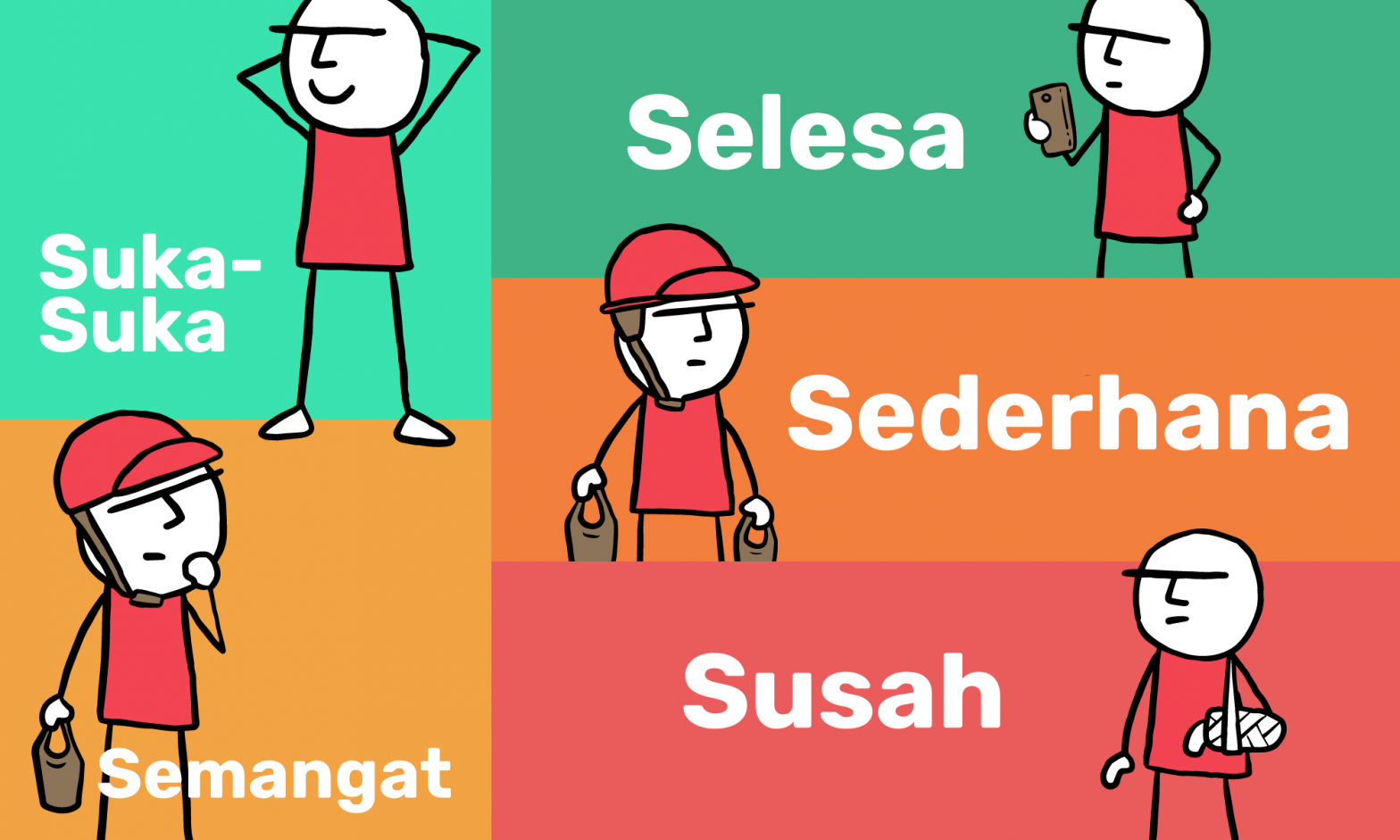
Untuk mengubah persepi tentang stereotaip yang sedia ada serta membantu perangka dasar, kami ingin mencadangkan tipologi pekerja gig berdasarkan (a) jam bekerja dan (b) tahap liputan perlindugan sosial. Berdasarkan parameter ini, kami telah mengenal pasti lima jenis pekerja gig.
1. Kumpulan ‘Susah’, yang terdiri daripada 29% dari keseluruhan responden dalam kajian kami, adalah pekerja yang bekerja gig sepenuh masa tetapi tidak memiliki atau mempunyai hanya satu skim pelindungan sosial sahaja. Pelindungan sosial yang dimiliki oleh kebanyakan mereka dari golongan ‘Susah’ ini adalah Skim Keselamatan Sosial Pekerjaan Sendiri (SEEIS) yang diwajibkan oleh undang-undang. Setara dengan namanya, kumpulan ‘Susah’ merupakan pekerja gig paling berisiko sekiranya berlaku bencana kewangan.
2. Kumpulan ‘Sederhana’ terdiri daripada 24% responden, dan risiko mereka kurang sedikit berbanding kumpulan ‘Susah’. Mereka bekerja sepenuh masa dan menjana jumlah pendapatan yang setara dengan kumpulan ‘Susah’, tetapi mereka mempunyai 2 hingga 3 jenis pelindungan sosial.
3. Kumpulan ‘Selesa’ pula merupakan 13% dari jumlah responden dan secara relatif, mereka adalah pekerja gig yang mempunyai risiko terendah. Mereka bekerja sepenuh masa, menjana pendapatan bersih yang lebih tinggi dari kumpulan ‘Susah’ dan ‘Sederhana’ dan mempunyai 4 hingga 5 jenis pelindungan sosial.
Majoriti ketiga-tiga jenis pekerja gig ‘sepenuh masa’ ini terdiri daripada pekerja yang berusia dari 35 ke 55 tahun dan tidak mempunyai pendidikan tinggi.
Dua lagi kumpulan pekerja gig adalah mereka yang bekerja sambilan atau separuh masa:
4. Kumpulan ‘Semangat’ merangkumi 17% dari jumlah responden dan merupakan pekerja sambilan yang mempunyai kurang daripada tiga jenis pelindungan sosial.
5. Kumpulan ‘Suka-suka’ turut terdiri daripada 17% responden dan merujuk ke pekerja separuh masa yang mempunyai lebih daripada tiga jenis pelindungan sosial.
Kebanyakan mereka yang termasuk dalam kumpulan ‘Semangat’ (63%) dan ‘Suka-suka’ (61%) juga tidak berpendidikan tinggi, tetapi terdapat lebih banyak graduan universiti di kalangan mereka berbanding pekerja sepenuh masa.
Rajah 1: Tipologi Pekerja Gig
Nota: Bilangan pelindungan sosial ditakrifkan sebagai jumlah jenis skim pelindungan sosial yang dimiliki atau disertai responden dari senarai pelindungan sosial yang kami nyatakan, iaitu simpanan kecemasan, simpanan persaraan/untuk hari tua, insurans kesihatan peribadi, insurans keselamatan semasa bekerja, dan insurans pekerjaan.
Tipologi pekerja gig kami bertujuan untuk memberi tumpuan kepada kumpulan pekerja yang paling berisiko, iaitu ‘Susah’ dan ‘Sederhana’ yang bekerja sepenuh masa tetapi mempunyai liputan pelindungan sosial yang terhad. Tetapi tidak kira sama ada sebagai pekerja sambilan atau sepenuh masa, sudah tiba masa untuk kita mengubah stereotaip dan andaian terhadap pekerja gig.
Kerja gig bukanlah satu cara untuk menjana duit poket bagi penganggur graduan dan pesara. Sebaliknya, kita perlu lebih prihatin dan memberi tumpuan kepada pekerja dewasa yang tidak berpendidikan tinggi yang bekerja lebih daripada 8 jam sehari, 6 hingga 7 hari seminggu.
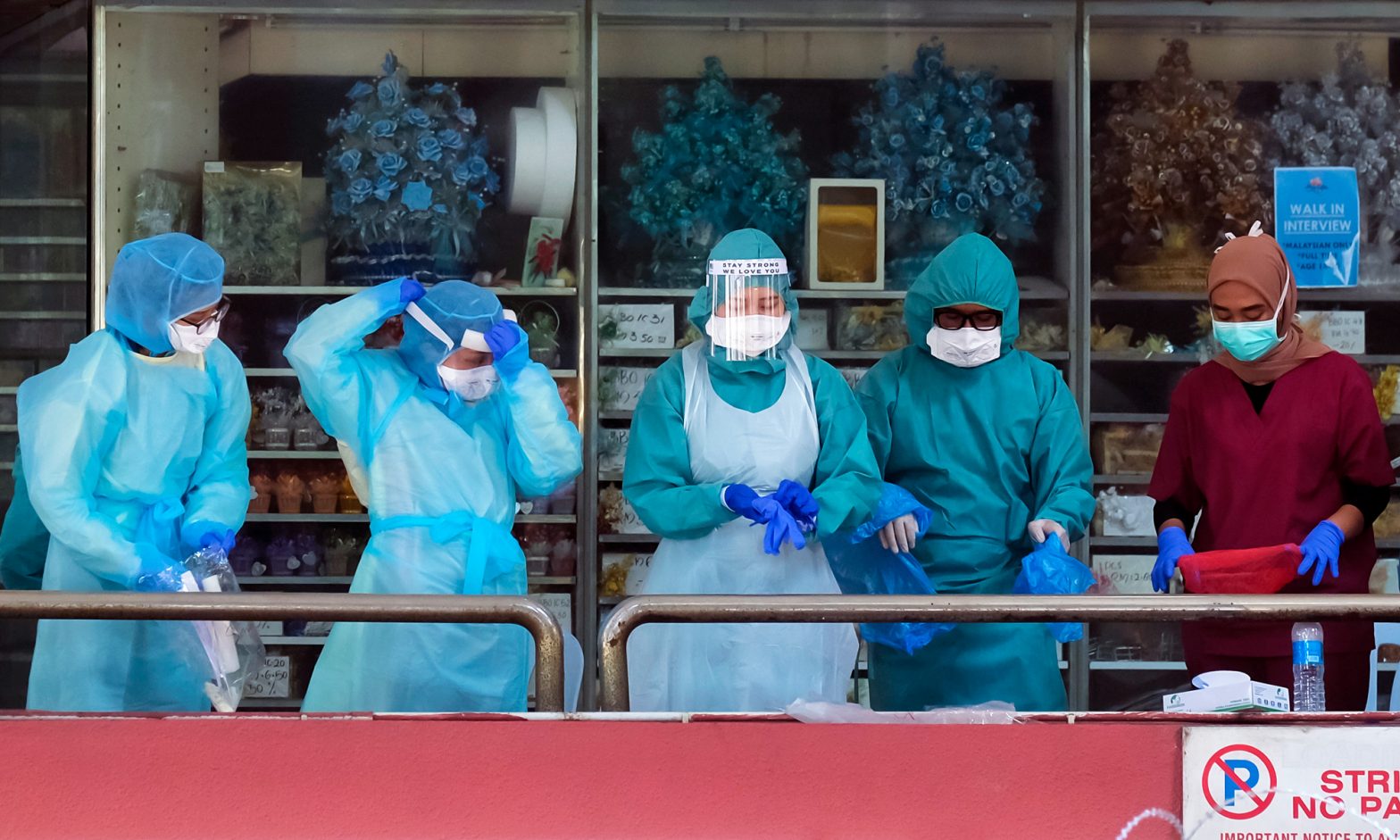








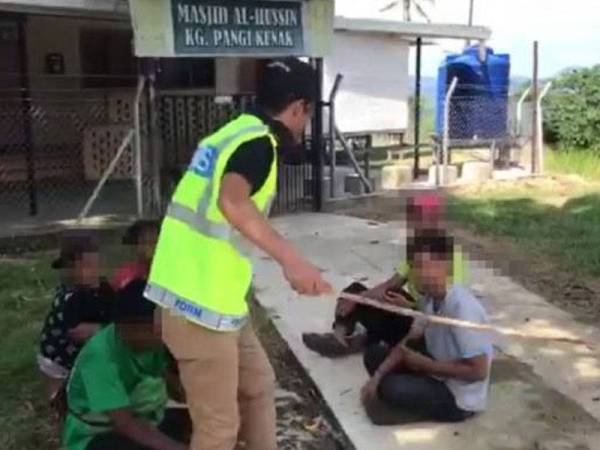
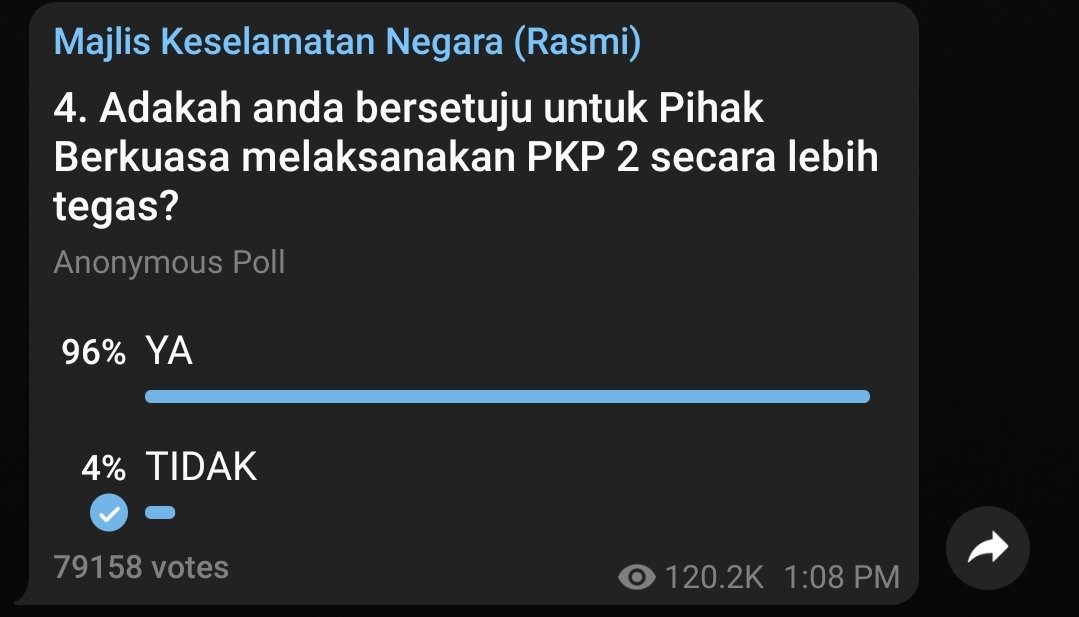




.jpg)